Do Baby Monitors Help Infant Sleep?
Baby sleep is one of the biggest worries for new parents. Babies wake up often, naps can be unpredictable, and parents are always afraid they might miss something important. Because of this, many families turn to baby monitors. These devices promise better sleep and extra safety. But an important question remains: do baby monitors actually help babies sleep better, or do they mainly help parents feel less stressed?
This guide explains what the research says, the different types of baby monitors, the pros and cons, and what parents should know before depending on one. The goal is to help families understand how baby monitors fit into healthy sleep habits for babies.
What Are Baby Monitors And How Do They Work
A baby monitor is a device that lets caregivers watch or listen to an infant from another room. Modern monitors have become more advanced. Many now include breathing movement tracking, temperature sensors, heart rate readings, and smartphone connectivity.
Common types include:
- 1. Audio monitors: These let parents hear sounds from the nursery. They are the simplest type. Most offer clear sound, background noise filtering, and small portable receivers.
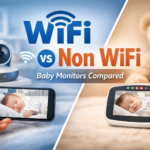
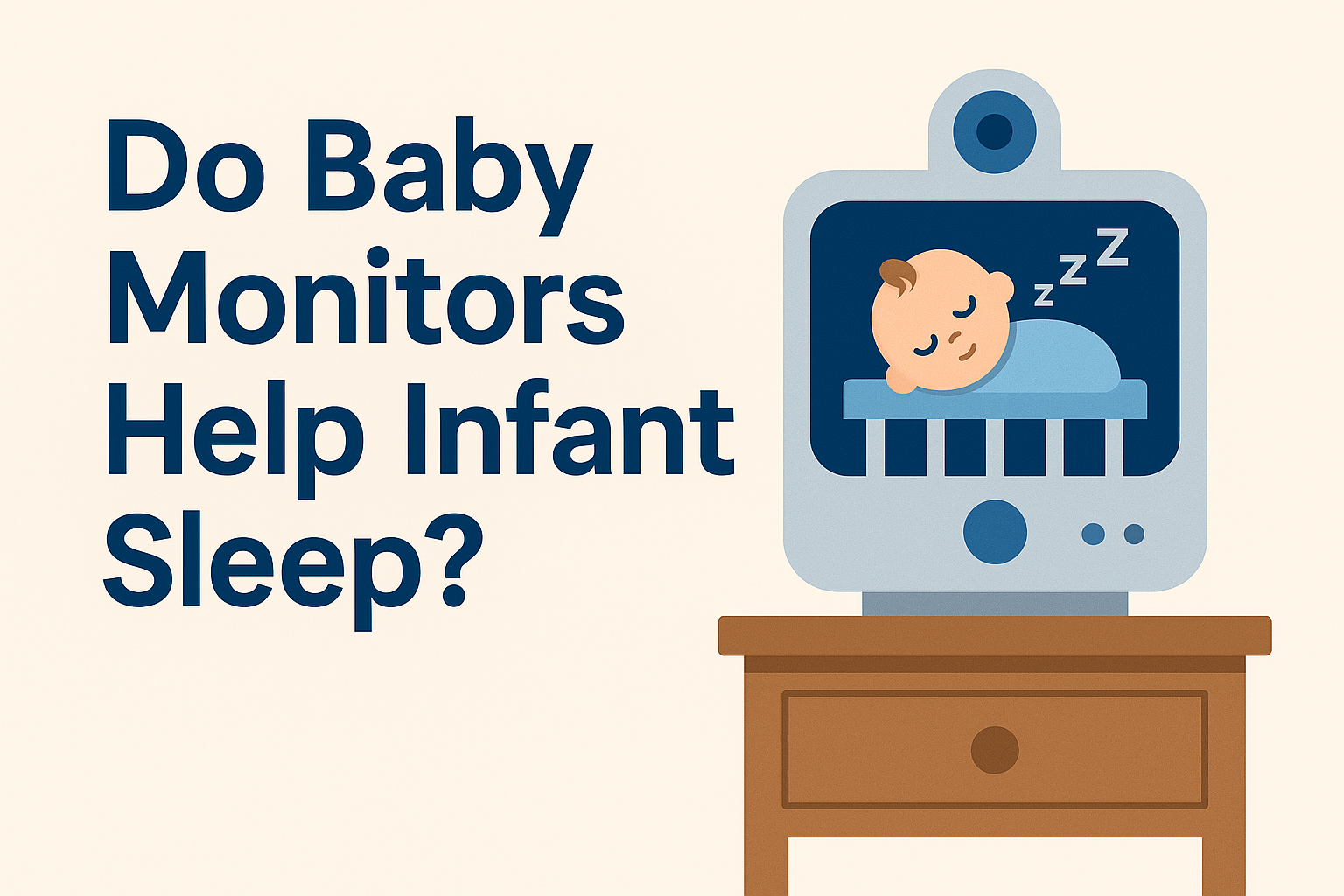
- 2. Video monitors: These use a camera that sends live footage to a parent unit or a phone app. They help caregivers see if the baby is settling or fussing without going into the room.
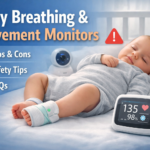
- 3. Movement and breathing monitors: These use wearable sensors or pads under the mattress to track breathing motion or oxygen levels. Parents often choose them when they want extra reassurance.
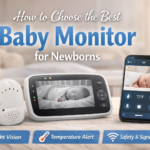
- 4. Smart monitors: These combine video, audio, sleep analytics, room temperature readings, and alerts. Many include apps that give sleep reports or personalized suggestions.