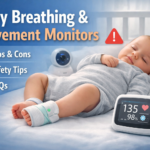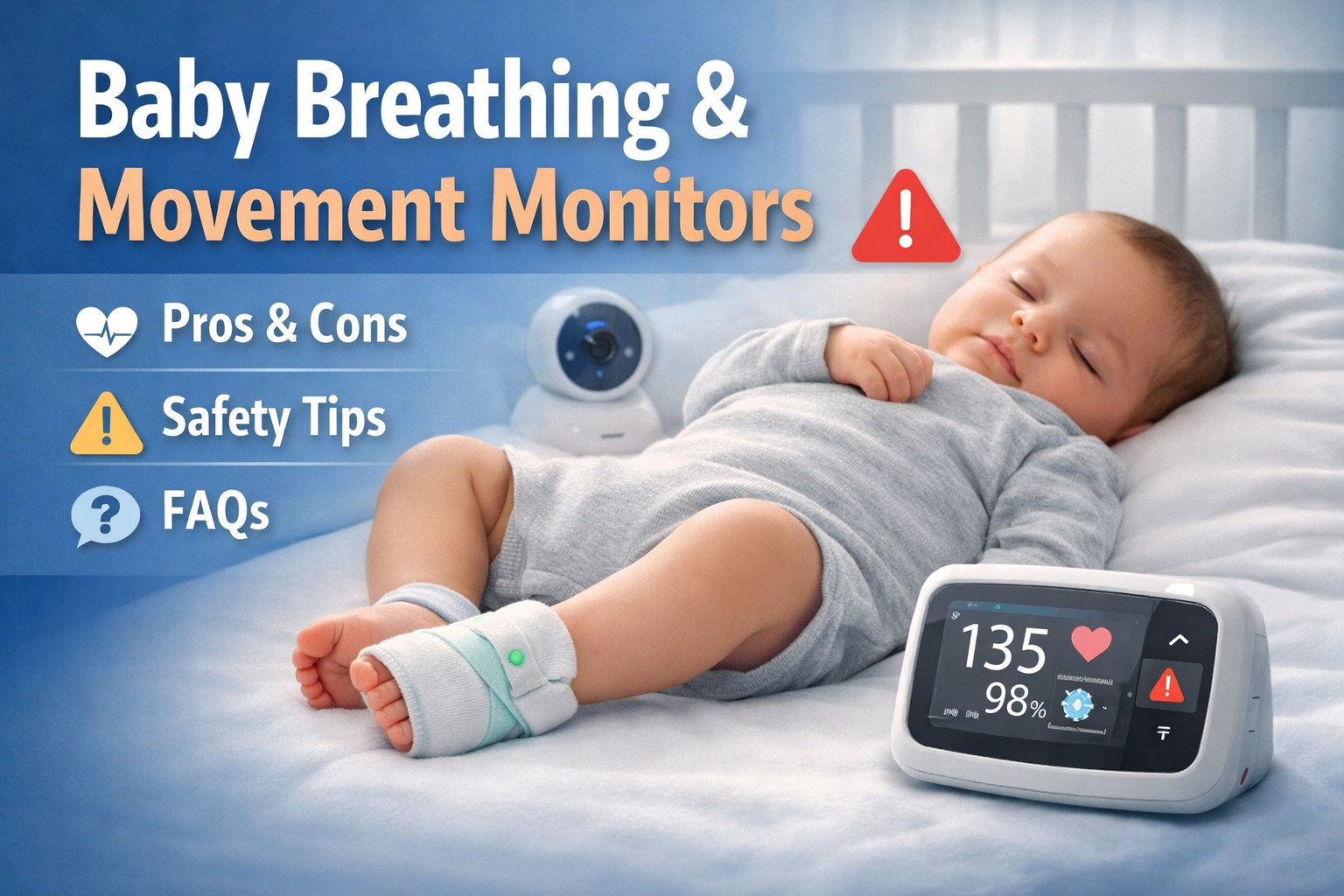
Bringing a new baby home often comes with a mix of joy and constant worry, especially around sleep. Many parents find themselves checking the cot repeatedly, watching for the gentle rise and fall of their baby’s chest. This concern is what drives interest in baby breathing and movement monitors, devices designed to alert caregivers if a baby’s movement changes or appears to stop for a set period.
At a basic level, these monitors track physical movement, which may include breathing-related motion, and trigger an alarm if that movement falls outside predefined limits. Some products go further and claim to track additional signals such as heart rate or oxygen levels, depending on the technology used.
It is important to understand what these monitors do not do. They are not proven to prevent sudden infant death syndrome, and they do not replace safe sleep practices or attentive caregiving. When used with realistic expectations, a breathing or movement monitor can be a reassurance tool for some families, but it should always sit alongside, not instead of, established sleep safety guidance.
What is a baby breathing and movement monitor?
A baby breathing and movement monitor is a device that checks whether your baby is moving while asleep. This movement is often linked to breathing, because babies make small, regular motions as they breathe.
The monitor does not listen to breaths or see inside the body. Instead, it looks for motion patterns. If the movement slows down too much or stops for a set time, the monitor sounds an alarm.
Most monitors work in one of three ways. Some use a sensor placed under the mattress. Others are worn on the baby, such as a sock or small clip. A third group uses a camera that watches movement from a distance. Each method checks movement differently, but the goal is the same, to alert a caregiver if movement is not detected.
You may see strong claims in product descriptions. Words like medical grade or hospital level are often used loosely. In reality, many products are designed for home use only and are meant to support observation, not replace it.
In simple terms, a baby breathing and movement monitor is an alert system. It watches for motion and tells you when that motion changes. It does not diagnose illness, prevent serious events, or guarantee safety.
The three main types of baby breathing and movement monitors
Baby breathing and movement monitors usually fall into three groups. Each type works in a different way and suits different needs.
Under-mattress sensor pad monitors
These monitors use a flat sensor pad placed under the cot mattress. The pad detects small movements through the mattress. This includes breathing-related motion.
If the pad does not sense movement for a set time, the alarm sounds. The time limit is fixed or adjustable, depending on the model.
Pros
- Nothing is attached to the baby
- Easy daily use once set up
- No charging the baby
Cons
- Mattress type matters; thick or soft mattresses can reduce accuracy
- Poor placement can cause missed movement or false alarms
- Vibrations from siblings, pets, or traffic may trigger alerts
This type often suits parents who want a simple setup and prefer not to place anything on their baby.
Wearable breathing and movement monitors
Wearable monitors attach directly to the baby. Common designs include socks, clips, or small bands. These devices sense movement and may also track other signals, depending on the product.
Because the sensor is on the baby, movement detection can be more direct. Alerts may sound if movement stops or if readings fall outside set ranges.
Pros
- Direct contact with the baby
- Often provides more detailed data
- Less affected by mattress type
Cons
- Fit is very important; a poor fit can cause false alarms
- Requires regular charging
- Some parents find constant data stressful
Wearables may appeal to parents who want more detailed tracking and are comfortable managing charging and fit.
Camera-based breathing monitors
These monitors use a camera placed near the cot. Software watches the video feed and looks for small movement patterns that suggest breathing.
No sensors touch the baby or mattress. Alerts are based on visual motion analysis.
Pros
- No contact with the baby
- Easy to move between rooms
- Combines video and movement alerts
Cons
- Lighting and camera angle affect performance
- Blankets, toys, or pets can block movement
- Motion detection is indirect
Camera-based monitors suit parents who want visual access and prefer a contact-free option.
Quick comparison table
| Monitor type | How it detects movement | Best suited for | Common limits |
|---|---|---|---|
| Under the mattress pad | Pressure and motion through the mattress | Non-wearable preference | Mattress type and placement |
| Wearable device | Sensor attached to the baby | Direct tracking needs | Fit, charging, alerts |
| Camera based | Visual motion detection | Contact-free monitoring | Light, angle, obstructions |
Do breathing and movement monitors prevent SIDS?
This is one of the most common questions parents ask. The short answer is no. Baby breathing and movement monitors have not been shown to prevent sudden infant death syndrome.
Medical and child health organisations agree on this point. Home monitors do not reduce the risk of SIDS. They do not stop it from happening, and they do not predict it in advance. This matters because some parents believe a monitor offers protection. It does not.
These devices only alert you after movement changes or stops. By the time an alarm sounds, an event may have already occurred. This is why monitors should not be seen as a safety solution.
There is also a concern about false confidence. When parents rely too much on a monitor, they may feel safer adding loose items to the cot or relaxing safe sleep rules. This can increase risk rather than reduce it.
What does reduce risk is following safe sleep guidance. This includes placing babies on their back to sleep, using a firm and flat mattress, keeping the cot empty, and avoiding smoke exposure.
A breathing or movement monitor can be a personal choice for reassurance. It should never replace safe sleep practices. The foundation of sleep safety stays the same, with or without a monitor.
Accuracy, false alarms, and what can trigger them
Accuracy varies widely with baby breathing and movement monitors. Many monitors detect motion or vital sign proxies, not direct breathing. Because of this, false alarms happen often, especially in healthy babies and non-medical settings.
Why do false alarms occur
Movement changes or sensor issues
According to reputable sources, Monitors that rely on motion sensing can misinterpret normal shifts or position changes as a lack of breathing. Babies naturally move during sleep, and small shifts can make sensors lose contact or fail to see expected patterns. This is a common reason alarms sound when the baby is fine.
Device limitations and sensitivity
Experts say that many consumer monitors use technology that isn’t designed for clinical diagnostics. Movement, light conditions, loose fit of wearable sensors, and mattress type can affect readings, causing alarms that are not true events. Research has shown that even devices with pulse oximetry or motion algorithms can produce stress-inducing false positives and trigger alerts that do not reflect real danger.
Connectivity and technical issues
Wireless links between sensors and base units or phones can drop, leading the system to interpret the loss of signal as a potential problem. This is especially common with wearable monitors that rely on Bluetooth.
Real-world findings on monitor accuracy
Medical and research reviews find that the accuracy for detecting true breathing or heart events in home monitors is mixed. Some studies report a high rate of false alarms and frequent alerts unrelated to clinical events, especially when devices are used in healthy infants without a clear medical indication.
Occasionally, commercial monitors that track oxygen or heart rate report normal vital signs when clinical measurement might differ, and vice versa, leading to confusion and unnecessary checks. Because many of these products do not meet strict medical testing standards, their performance for vital sign detection is uncertain. Children’s Hospital of Philadelphia
What triggers alarms besides true events
- Baby changes position or twists in the cot
- Wearable sensor slips or loses skin contact
- Mattress vibration or pressure changes picked up by under-mattress sensors
- Wireless or power interruptions
- Normal temporary pauses in the baby’s breathing that are not harmful
What this means in everyday use
Parents should expect some level of false alerts and be prepared for them. Frequent false alarms can increase stress and disrupt sleep for the whole family. If alarms are common, check sensor placement, mattress type, and manufacturer instructions. If false alarms persist, contact the monitor maker’s support or consider a different type. Monitoring technology does not guarantee accurate diagnostics or replace caregiving or safe sleep practices.
Safety, regulation, and red flags when shopping for a monitor
Not all baby breathing and movement monitors are held to the same standards. This is important to understand before buying one.
Many products sold to parents are classed as wellness or consumer devices. This means they are not tested or approved in the same way as medical equipment. If a product claims to measure things like oxygen levels, heart rate, or breathing rate, the level of review depends on how and where it is sold.
Health authorities such as the American Academy of Pediatrics and the US Food and Drug Administration have raised concerns about some infant monitors. Their main warning is that inaccurate readings or missed alerts can lead to delayed care or false reassurance. In the UK and Europe, medical devices are expected to carry proper markings if they make medical claims, but many baby monitors avoid this by using vague language.
Common red flags to watch for
- Claims that the monitor can prevent SIDS
- No clear explanation of how the monitor works
- No mention of testing, standards, or regulatory status
- Promises of hospital-level or medical-grade accuracy without proof
- Poor customer support or unclear return policies
Another warning sign is marketing that relies on fear. Phrases that suggest danger without the device, or show extreme scenarios, are designed to push emotional decisions rather than informed ones.
How to shop more safely
Read the product description carefully. Look for clear limits, not bold guarantees. Check independent reviews from trusted health sources, not just customer testimonials. If your baby has medical needs, ask a healthcare professional before choosing a monitor.
A breathing or movement monitor should be treated as a support tool only. It should never be marketed or used as a medical safeguard.
How to set up and use a baby breathing or movement monitor safely?
Correct setup matters more than the brand you choose. Many problems with baby breathing and movement monitors come from poor placement or skipped steps.
Before first use
Start by reading the instructions from start to finish. Each monitor works a little differently. Do not assume setup is the same as a previous device.
Check that your cot and mattress are compatible. Under-mattress sensors work best with firm, flat mattresses. Soft foam, toppers, or thick padding can block movement detection.
If you are using a wearable, check the size guide. A loose fit can cause missed readings or repeated alarms.
During setup
Place under the mattress exactly where shown in the guide. Position is usually centred under the baby’s chest area. Secure all cables away from the cot.
For wearables, attach the device firmly but gently. It should not be tight or leave marks on the skin. Make sure the sensor sits where the manufacturer recommends.
For camera-based monitors, mount the camera at the correct height and angle. Make sure the cot area is fully visible, and the lighting is stable.
Test the system
Always test the alarm before first use. This confirms sound, power, and connection. Repeat this test after moving the cot, changing the mattress, or updating the device.
Everyday safety rules
- Keep the cot empty, no pillows, blankets, or soft toys
- Do not add unsafe sleep items because you feel protected by a monitor
- Keep chargers and wires out of reach
- Have a clear plan for what to do if an alarm sounds
If an alarm goes off, check your baby first. If your baby appears well, review placement and fit later to reduce repeat alerts.
A monitor can support awareness, but safe sleep practices must always come first.
Alternatives for peace of mind without tracking breathing or movement?
Some parents decide that breathing or movement monitors are not right for them. There are other ways to feel more at ease during a baby’s sleep without relying on sensors or alerts.
Room sharing is one option. Keeping the baby’s cot in the same room as a caregiver makes it easier to notice sounds or changes during the night. This does not mean bed sharing. The baby should still sleep on a separate, firm surface.
A basic audio monitor is another simple tool. It allows you to hear your baby without tracking movement or vitals. Many parents find this enough, especially once they learn their baby’s normal sleep sounds.
Regular checks can also help. Looking in on your baby before you go to sleep or during normal wake-ups can provide reassurance without constant monitoring.
Consistent routines matter too. A calm bedtime routine and a safe sleep setup reduce worry over time. As parents become more familiar with their baby’s patterns, anxiety often eases naturally.
These options focus on awareness and safe habits rather than data. For many families, this balance feels more manageable and less stressful.
Conclusion
Do baby breathing monitors prevent SIDS
No. Baby breathing and movement monitors have not been shown to prevent sudden infant death syndrome. Health bodies such as the American Academy of Pediatrics state that these devices do not reduce SIDS risk. Safe sleep practices remain the most important factor.
How do baby breathing and movement monitors work
Most monitors detect movement, not airflow. Under mattress pads sense small motions through the mattress. Wearable monitors detect movement directly from the baby. Camera-based monitors analyse visible motion patterns. If movement is not detected for a set time, an alarm sounds.
Are baby breathing monitors accurate
Accuracy varies by device type and setup. False alarms are common, especially with poor placement, loose wearables, or incompatible mattresses. These monitors are not diagnostic tools and should not be relied on for medical accuracy.
Why do baby breathing monitors give false alarms?
False alarms can happen when a baby changes position, when a sensor loses contact, or when there is vibration from the environment. Wireless connection issues and low battery levels can also trigger alerts.
Is an under-mattress breathing monitor safe for all mattresses
No. Under-mattress monitors work best with firm, flat mattresses. Thick foam, soft surfaces, or added toppers can reduce sensitivity and increase false alarms. Always check mattress compatibility before use.
What is the difference between a movement monitor and an oxygen monitor for babies?
A movement monitor checks for physical motion linked to breathing. An oxygen monitor estimates oxygen saturation using light sensors. These are different technologies with different limits. Not all oxygen monitors are reviewed or authorised as medical devices.
Are wearable baby breathing monitors safe to use overnight
Wearable monitors are generally designed for overnight use, but fit is critical. A poor fit can cause alerts or missed readings. Check the skin regularly and follow sizing and charging instructions carefully.
Should I still follow safe sleep rules if I use a breathing monitor
Yes. A breathing or movement monitor does not make unsafe sleep conditions safe. Babies should still sleep on their backs, on a firm mattress, in an empty cot.
Who should talk to a clinician before using a baby breathing monitor
Parents should speak to a clinician if their baby has a known medical condition, breathing problems, or has been advised to use monitoring as part of medical care. Healthy babies usually do not need monitoring.
Are baby breathing monitors worth it for anxious parents
For some parents, a monitor offers peace of mind. For others, frequent alerts increase stress. The value depends on how the device affects sleep, anxiety levels, and confidence in caregiving.