Do Baby Monitors Help Infant Sleep – A Complete Guide

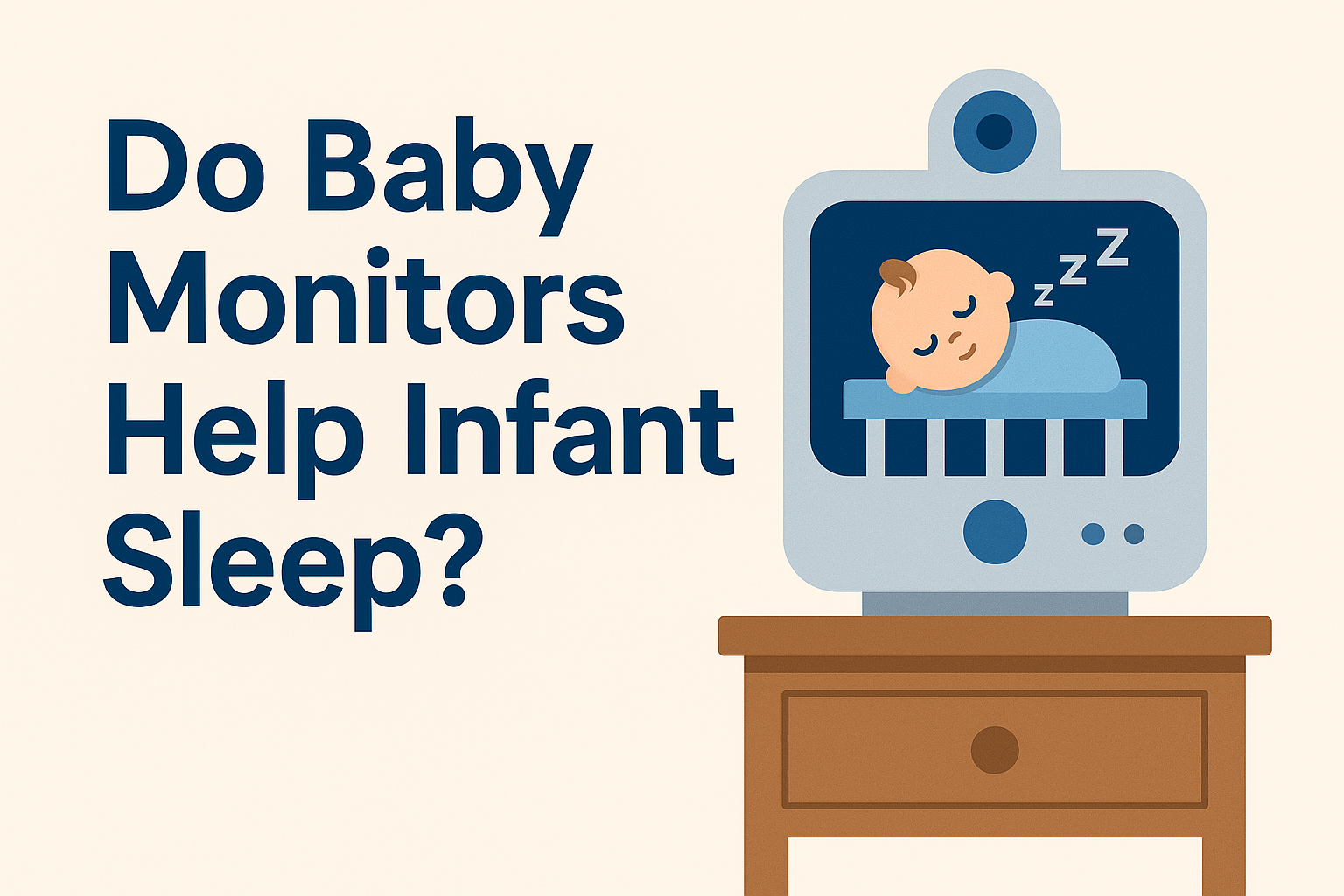
Do Baby Monitors Help Infant Sleep?

Yes, baby monitors can support better sleep by helping parents avoid unnecessary check-ins, reducing disruptions, and offering reassurance throughout the night. While they do not directly make infants sleep longer, they help caregivers understand sleep patterns and respond only when needed.

Baby sleep is one of the biggest worries for new parents. Babies wake up often, naps can be unpredictable, and parents are always afraid they might miss something important. Because of this, many families turn to baby monitors. These devices promise better sleep and extra safety. But an important question remains: do baby monitors actually help babies sleep better, or do they mainly help parents feel less stressed?

This guide explains what the research says, the different types of baby monitors, the pros and cons, and what parents should know before depending on one. The goal is to help families understand how baby monitors fit into healthy sleep habits for babies.

What Are Baby Monitors And How Do They Work

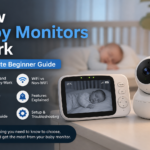
A baby monitor is a device that lets caregivers watch or listen to an infant from another room. Modern monitors have become more advanced. Many now include breathing movement tracking, temperature sensors, heart rate readings, and smartphone connectivity.

Common types include:

  • 1. Audio monitors: These let parents hear sounds from the nursery. They are the simplest type. Most offer clear sound, background noise filtering, and small portable receivers.
  • 2. Video monitors: These use a camera that sends live footage to a parent unit or a phone app. They help caregivers see if the baby is settling or fussing without going into the room.
  • 3. Movement and breathing monitors: These use wearable sensors or pads under the mattress to track breathing motion or oxygen levels. Parents often choose them when they want extra reassurance.
  • 4. Smart monitors: These combine video, audio, sleep analytics, room temperature readings, and alerts. Many include apps that give sleep reports or personalized suggestions.
Do Baby Monitors Improve Infant Sleep

Baby monitors do not directly make a baby sleep longer or more deeply. Instead, they influence how parents react, and this can affect the infant’s sleep pattern.

  • Monitors help parents respond more appropriately: Many parents wake up often because they are afraid they will not hear the baby. A monitor can lower this worry, so caregivers can stay in their own room longer without constantly checking.
  • Monitors can prevent unnecessary disruptions: Babies make many small noises even when they are still asleep. Without a monitor, parents might rush into the room at every sound. With a monitor, they can look or listen first and avoid waking the infant by accident.
  • Monitors encourage consistent routines: Smart monitors that show sleep trends can help parents notice patterns like bedtime timing, nap consistency, or common wake periods.
  • Monitors support safe sleep practices: By letting parents observe the sleeping area, monitors help caregivers make sure the infant stays on their back and that the crib stays clear of soft bedding or toys.

A monitor cannot teach a baby to self-soothe, and it cannot replace healthy sleep habits or routines. It is best used as a support tool, not a full solution.

Research And Expert Perspectives

Studies show mixed results regarding whether monitors directly influence infant sleep duration or quality. Most experts agree on the following points:

  • Infant sleep develops based on age, feeding, environment, and routine, not technology.
  • Monitors reduce caregiver anxiety, which can lead to more restful nights for parents.
  • Excessive monitoring may increase stress instead of reducing it if alerts or apps are checked too frequently.
  • Movement or oxygen monitors are not considered medical devices and should not be relied on to prevent conditions such as SIDS.

Pediatric experts emphasize that safe sleep guidelines are the most important factor. Monitors can support, but not replace, these guidelines.

Benefits Of Using A Baby Monitor

Here are the common advantages that parents experience when using baby monitors:

  • Reduced nighttime anxiety: Knowing that they can hear or see the baby without walking to the nursery allows caregivers to relax more during rest periods.
  • Better sleep for parents: When parents trust that the monitor will alert them to important sounds, they are less likely to wake up unnecessarily.
  • Support for establishing sleep routines: Smart monitors that log sleep patterns can highlight trends and help parents adjust schedules.
  • Safety awareness: Temperature alerts, noise detection, and visual monitoring allow caregivers to keep an eye on the sleep environment.
  • Convenience in larger homes: Monitors are especially helpful when rooms are far apart or when caregivers use outdoor spaces while the baby naps indoors.

Potential Drawbacks To Consider

Baby monitors can be helpful, but there are some downsides that parents should think about.

  • Over-Monitoring: Some parents feel the need to check the screen or app again and again, which can increase stress instead of lowering it.
  • False Alarms: Movement and breathing monitors sometimes send alerts even when the baby is perfectly fine, which can interrupt sleep and cause worry.
  • Technology Dependence: Parents may start relying so much on the monitor that they find it hard to trust their own instincts.
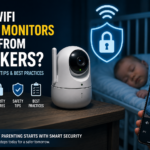
  • Privacy Concerns: Monitors that use WiFi need strong passwords and secure settings to help reduce the risk of hacking.
  • Cost: High end monitors can be expensive, especially since babies only use them for a short period.

Do Babies Sleep Better With Audio Or Video Monitors

The best type of monitor depends on what the family needs, not on the baby’s sleep itself.

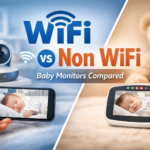
  • Audio Monitors: These are helpful for parents who only need to hear when the baby is crying or waking.
  • Video Monitors: These give a clear view of what the baby is doing. They help parents see if the baby is just stirring, changing position, or fully awake and fussing before they enter the room.
  • Smart Monitors: These are useful for families who want sleep analytics or extra reassurance about room conditions.
  • Overall: There is no proof that any type of monitor makes a baby sleep longer. They mainly help parents respond in a calmer and more thoughtful way.

Do Baby Movement Monitors Improve Sleep Safety

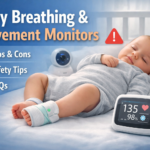
Movement monitors track breathing or movement and send alerts if activity stops. They can give parents peace of mind, but experts say they should not be viewed as protection against risks such as SIDS.

  • False Alarms: These monitors often send alerts even when the baby is completely fine, which can be stressful.
  • False Sense of Security: Caregivers may assume the baby is safe even if important sleep guidelines are not being followed.
  • Not Medical Devices: These monitors cannot diagnose or prevent health problems because they are not classified as medical equipment.
  • Safe Sleep Still Matters: Parents who use movement monitors should continue to follow safe sleep advice, such as placing the baby on their back and keeping the sleep surface firm and free from clutter.

Safe Sleep Recommendations That Matter More Than The Monitor

A baby monitor supports sleep safety, but it is not the most important factor. The following guidelines have the strongest evidence:

  • Place infants on their backs until one year of age.
  • Use a firm mattress with a fitted sheet only.
  • Keep the crib free from blankets, pillows, stuffed toys, and bumpers.
  • Share a room but do not share a bed.
  • Maintain a comfortable room temperature.
  • Avoid smoking around infants.
  • Make sure the baby has their own safe sleep space for naps and nighttime sleep.

Monitors help caregivers keep an eye on these conditions without disturbing the baby.

How Baby Monitors Can Support Sleep Training

Parents who choose to use sleep training methods can benefit from monitors in a few key ways:

  • They can observe how long it takes for the baby to settle during intervals.
  • They can tell the difference between fussing and actual distress.
  • They can avoid unnecessary check-ins, which may interrupt self-soothing.
  • They can maintain consistency during sleep routine building.

This creates a more relaxed atmosphere for both parents and babies.

What To Look For When Choosing A Baby Monitor

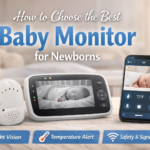
Not all monitors are equal, and the right one depends on the parent’s lifestyle, home layout, and comfort level.

Key features to consider include:

1. Range and signal strength

Important for larger homes or thick walls.

2. Sound clarity

A good audio filter helps parents hear genuine cries and ignore background noise.

3. Video quality

Clear nighttime visibility is essential for video monitors.

4. Battery life

Portable parent units should last through naps and nighttime stretches.

5. App reliability

For WiFi models, the app should load quickly and remain stable.

6. Security features

Encrypted connections and secure passwords are important for privacy.

7. Room environment sensors

Temperature, humidity, and noise level alerts can be helpful additions.

8. Sleep tracking

Smart analytics may appeal to parents who want more detailed insights.

Frequently Asked Questions

Do baby monitors actually help babies sleep longer?

Baby monitors do not directly increase sleep length. They help parents understand their baby’s sleep patterns and reduce unnecessary room check-ins. This supports a calmer sleep environment, which can indirectly improve overall rest.

Are smart baby monitors worth it?

Smart monitors offer features such as sleep tracking, room temperature alerts, and high-quality video feeds. These can help parents notice patterns and maintain a consistent sleep routine, which many find helpful for day and night planning.

Can baby monitors reduce nighttime anxiety for parents?

Yes. Many caregivers feel more at ease when they can listen to or observe their baby from another room. This reassurance helps parents rest more comfortably and avoid waking up repeatedly to check on the baby.

Do breathing or movement monitors prevent sleep-related issues?

Breathing and movement monitors are not medical devices and cannot prevent health conditions. They offer reassurance; however, they should never replace safe sleep practices such as placing infants on their backs and using a clear sleep space.

Should parents rely on monitors for sleep training?

Monitors can help parents understand when the baby is stirring, fussing, or fully awake. This supports consistent responses during sleep training and helps avoid unnecessary disruptions.

Do video or audio monitors work better for sleep support?

Both types serve different needs. Audio monitors help parents listen for active waking, while video monitors allow caregivers to check on the baby without entering the room. The best choice depends on the parents’ comfort and routine.

Are WiFi baby monitors safe?

WiFi monitors are safe when used with secure passwords and updated apps. Choosing a brand with strong privacy features and encrypted connections adds extra protection.

Can a baby monitor replace regular checks?

Monitors reduce the need for frequent physical checks; however, they should not replace essential caregiver attention. Parents can still check the room when needed, but the monitor helps limit unnecessary interruptions.

Do baby monitors help with nap routines?

Yes. Many parents use monitors during daytime naps to keep an eye on their baby while completing tasks in another room. Some smart monitors also track nap duration and pattern, which helps build consistent daytime routines.

Is a baby monitor necessary?

A monitor is not always essential, especially in smaller homes. However, it provides peace of mind and convenience for many parents, particularly when establishing new sleep habits.

Leave a Comment